Amazon · Verified 3 days ago
$1,199 $1,999
free shipping
more
↑ less
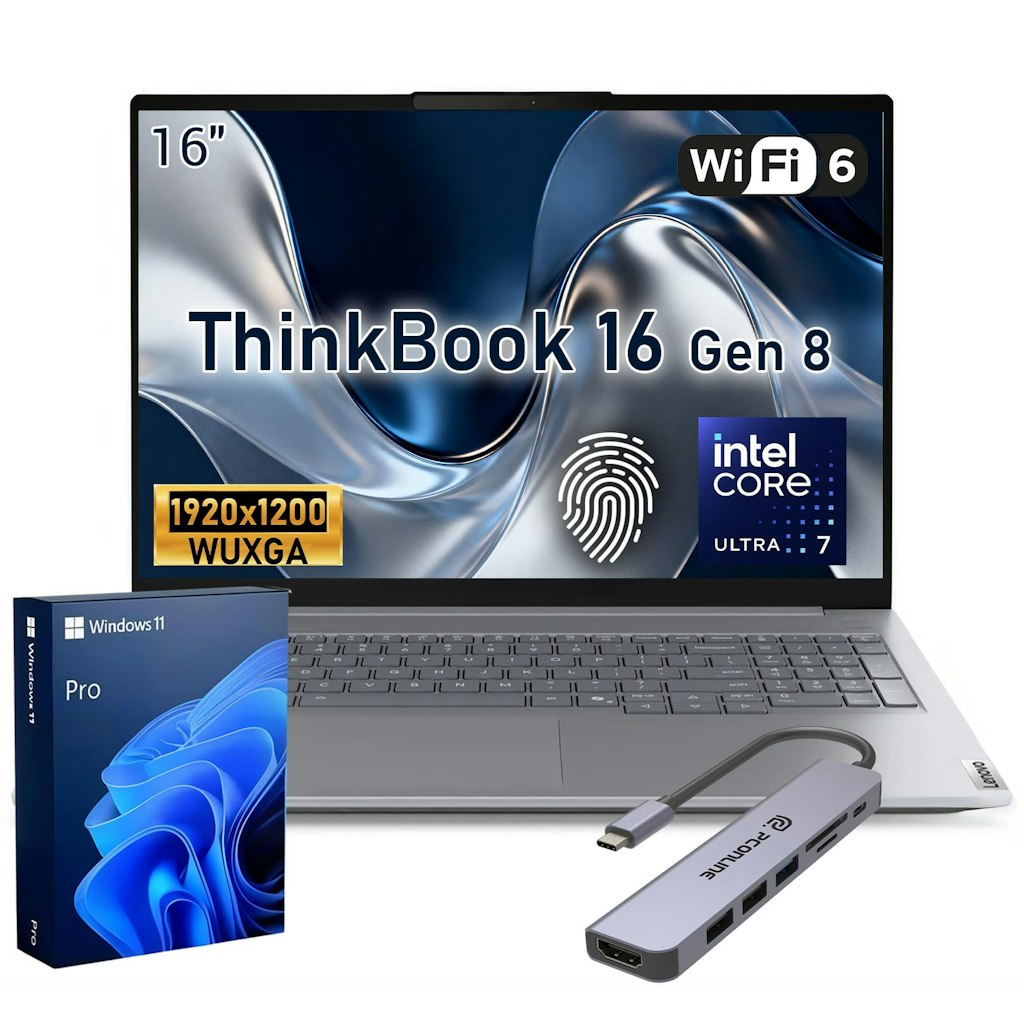
This Lenovo ThinkBook 16 Gen 8 laptop is $800 off at Amazon. That's $800 off and the lowest price we could find. Shipping is free. Buy Now at Amazon
Features
- Intel Core Ultra 7 255H processor, up to 5.1 GHz
- 16" 1920x1200 IPS display, 300 nits, 60Hz
- 2 Thunderbolt 4 USB-C ports, 2 USB-A ports, HDMI 2.1, Ethernet, and SD card reader
- Wi-Fi 6 & Bluetooth
- Front camera
- Military-standard durability testing
staff pick
Walmart · Verified 3 days ago
$629 $1,000
free shipping
more
↑ less
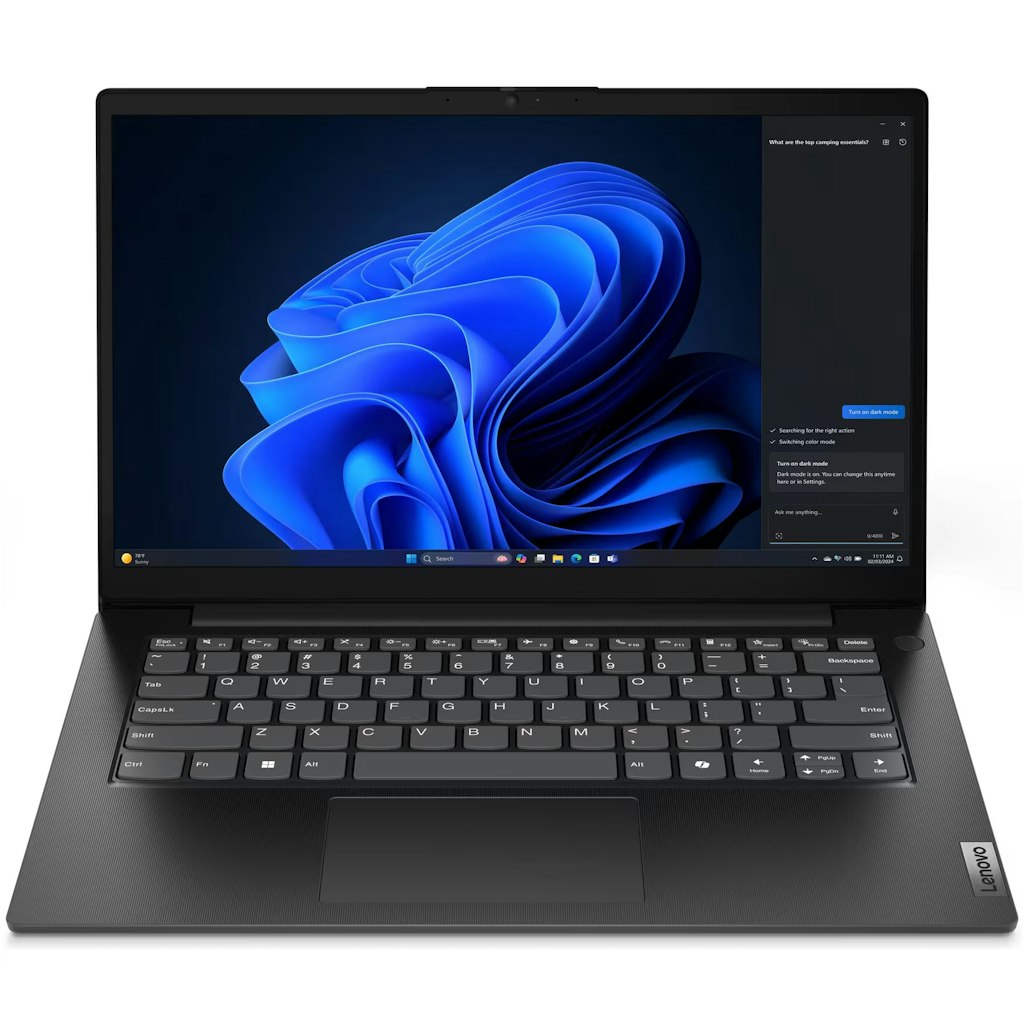
At Walmart, this Lenovo V14 G5 laptop is down to just $629. It's a strong price for a build with these specs. For context, we saw the same build with a 512GB SSD for just $30 less in July; this one has a 1TB SSD. It also has 16GB of RAM. Shipping is free. Buy Now at Walmart
Features
- 14" FHD display
- Intel Core i7-13620H processor
- 16GB DDR5 RAM
- 1TB PCIe Gen 4 SSD
- Windows 11 Home
Popular Deal
eBay · Verified 3 days ago
Popular Deal
Up to 55% off + extra 10% off
free shipping
more
↑ less
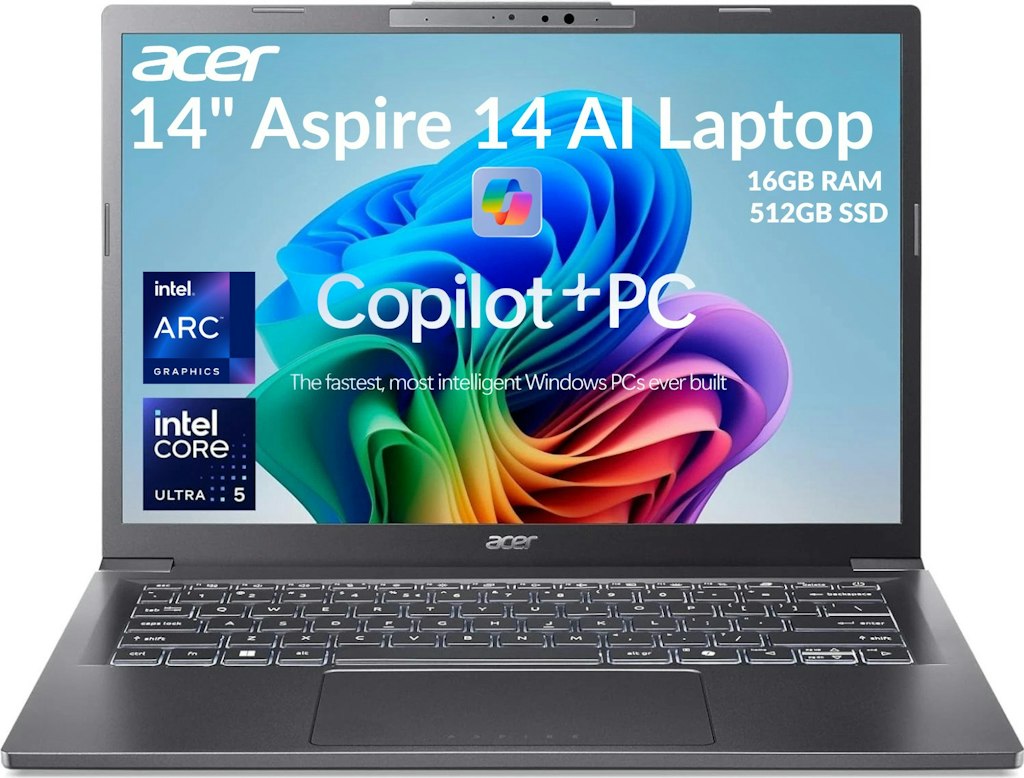
At eBay, promo code "NICEFIND10" takes an extra 10% off a lineup of certified refurbished Acer laptops, monitors, and desktops that are already marked down, including a Predator Helios Neo 16S gaming laptop for $1,600, down from $1,899. An Acer Aspire Ultra 5 14" Laptop is also down to $437 after the coupon code ($372 off). Every item in the sale carries eBay's two-year warranty serviced by Allstate. The coupon ends on December 31. Shop Now at eBay
Features
- Lineup includes Acer laptops, desktops, monitors, and Chromebooks
- Certified Refurbished items are backed by a two-year warranty serviced by Allstate
- Laptop options include models with Intel Core Ultra and AMD Ryzen AI processors
- Monitor sizes range from 15.6" portable screens up to 34" curved gaming displays
- Some gaming laptops and monitors include RTX 50-series graphics or high refresh rates up to 240Hz
Popular Deal
Amazon · Verified 2 days ago
Popular Deal
Up to 43% off
free shipping w/ Prime
more
↑ less
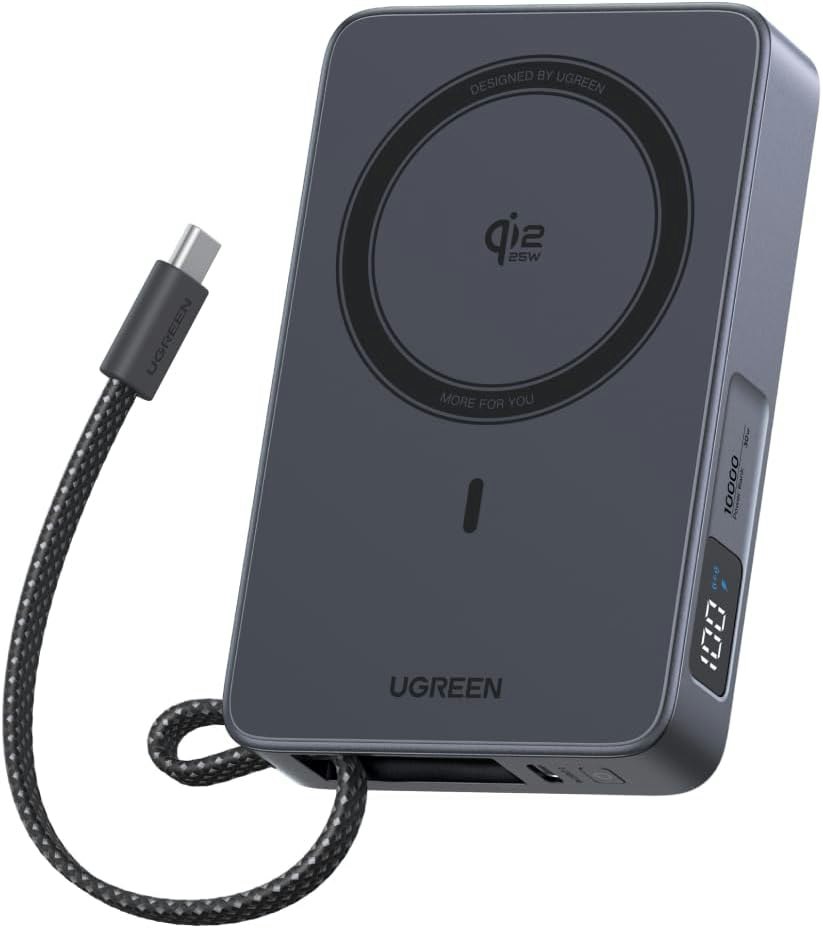
Amazon is running a UGreen storefront with 60 items spanning chargers, power banks, docking stations, network switches, webcams, and network storage, as part of its Black Friday Sale. A 3-port 30W USB-C charger runs $9, and a 65W Nexode charger is $23, while the NAS lineup runs from the $200 DH2300 to the $1,995 iDX6011. Shipping is free for Prime members. Shop Now at Amazon
Features
- Chargers and power banks from $9 to $90
- Network storage (NAS) devices from $200 to $1,995
- Docking stations, hubs, and KVM switches
- Cables, webcams, and Bluetooth trackers included

staff pick

$2 $4
free shipping w/ $25
more

↑ less
WHY I PICKED IT
"I've been thinking I need wrist support of some kind at my desk lately and this is honestly too cute to pass up. And at that price? It's worth grabbing a few at least."
Julie Ramhold
At Amazon Haul, get this Cute Wrist Rest Support for $2.31. It's the best price we could find by $5. Shipping is free on Amazon Haul orders of $25 or more. Buy Now at Amazon
Amazon · Verified 3 days ago
$27 $35
free shipping w/ Prime
more
↑ less
Update: The price has dropped to $26.59 since this was originally published.
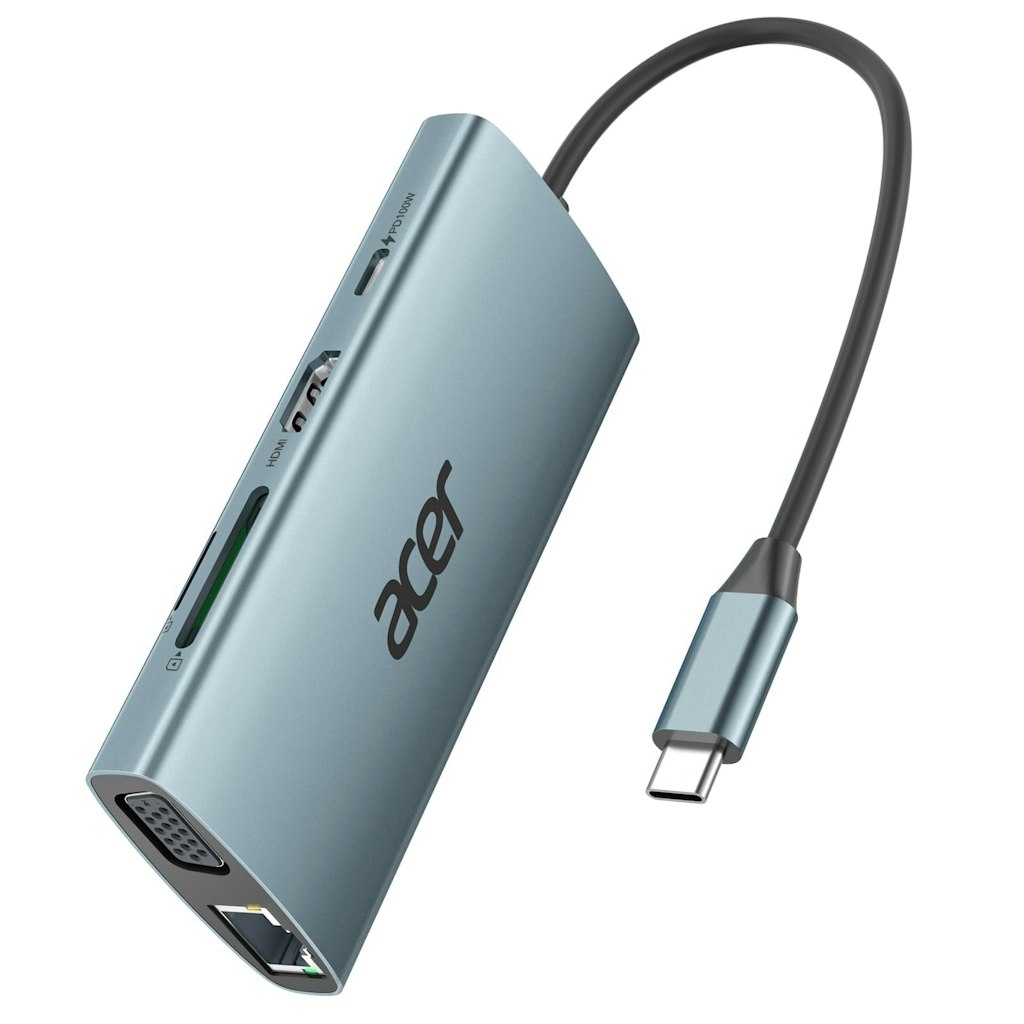
This Acer 9-in-1 USB-C hub is $7 off at Amazon, and its price is $2 below its 90-day average of $30 on Amazon. It turns one USB-C port into HDMI, VGA, Ethernet, three USB-A ports, and SD and microSD card slots. It also passes through up to 100W of power, though a 100W charger and cable are not included. Shipping is free. Buy Now at Amazon
Features
- 9 ports: HDMI, VGA, Ethernet, 3 USB-A 3.0, SD, microSD, & USB-C charging
- HDMI output up to 4K at 30Hz, or HDMI + VGA dual display at 1080p
- Gigabit Ethernet port (CAT6 or higher cable needed for full speed)
- USB-A ports transfer data at up to 5Gbps; card slots read up to 1TB
- Passes through up to 100W and delivers up to 90W to a connected laptop
- Aluminum body, 4.33" x 1.97" x 0.67", weighs 2.88 oz.
Amazon · Verified 1 day ago
Up to 46% off
free shipping w/ Prime
more
↑ less
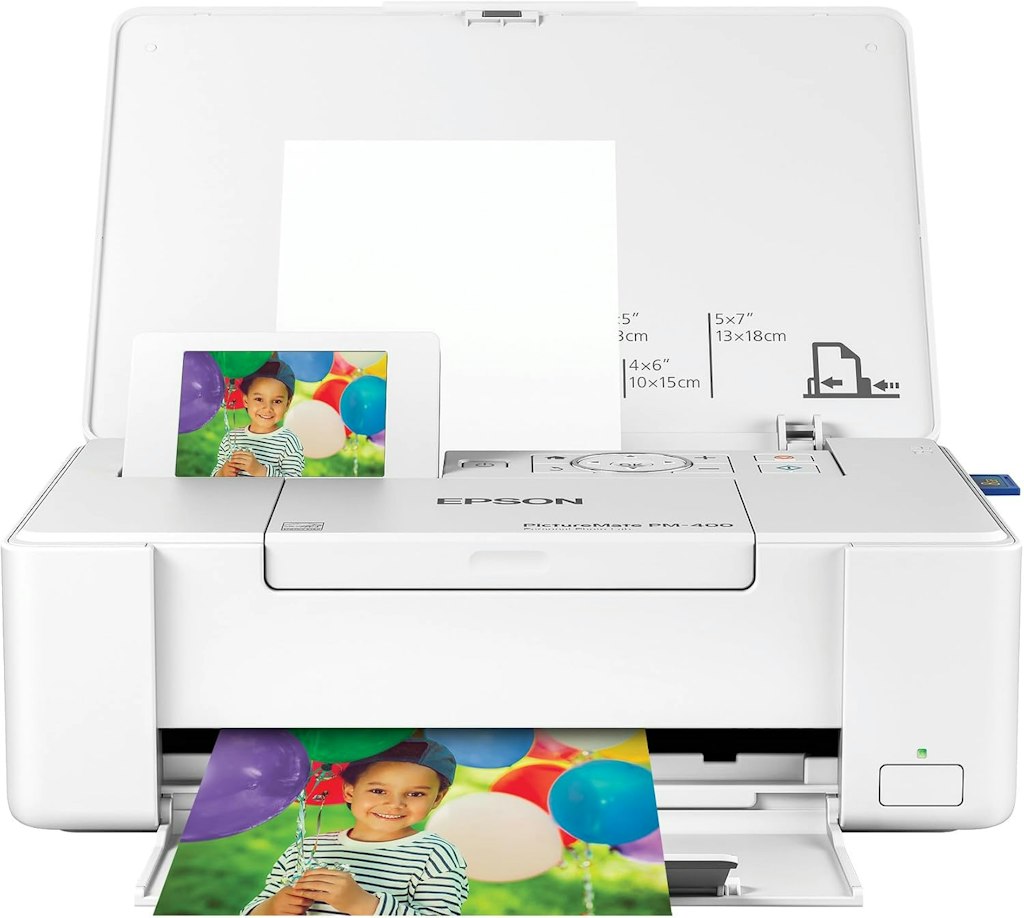
Amazon is featuring Epson printers and projectors, with the Workforce Pro WF-4935 all-in-one printer the lowest priced at $149.99. EcoTank refillable-ink printers start at $199.99, and the lineup also includes a PictureMate compact photo printer. On the projector side, prices run from $399.99 for the EF-30 Full HD model up to $3,499.99 for the Home Cinema LS11000 4K laser projector. Shipping is free for Prime members. Shop Now at Amazon
Features
- Wireless all-in-one printers from $149.99
- EcoTank refillable-ink printers from $199.99
- PictureMate compact photo printer at $199.99
- Home theater & portable projectors from $399.99
- 4K laser projector at $3,499.99
Amazon · Verified 3 days ago
$8 $10
free shipping w/ Prime
more
↑ less
Update: The price has dropped to $8.49 since this was originally published.
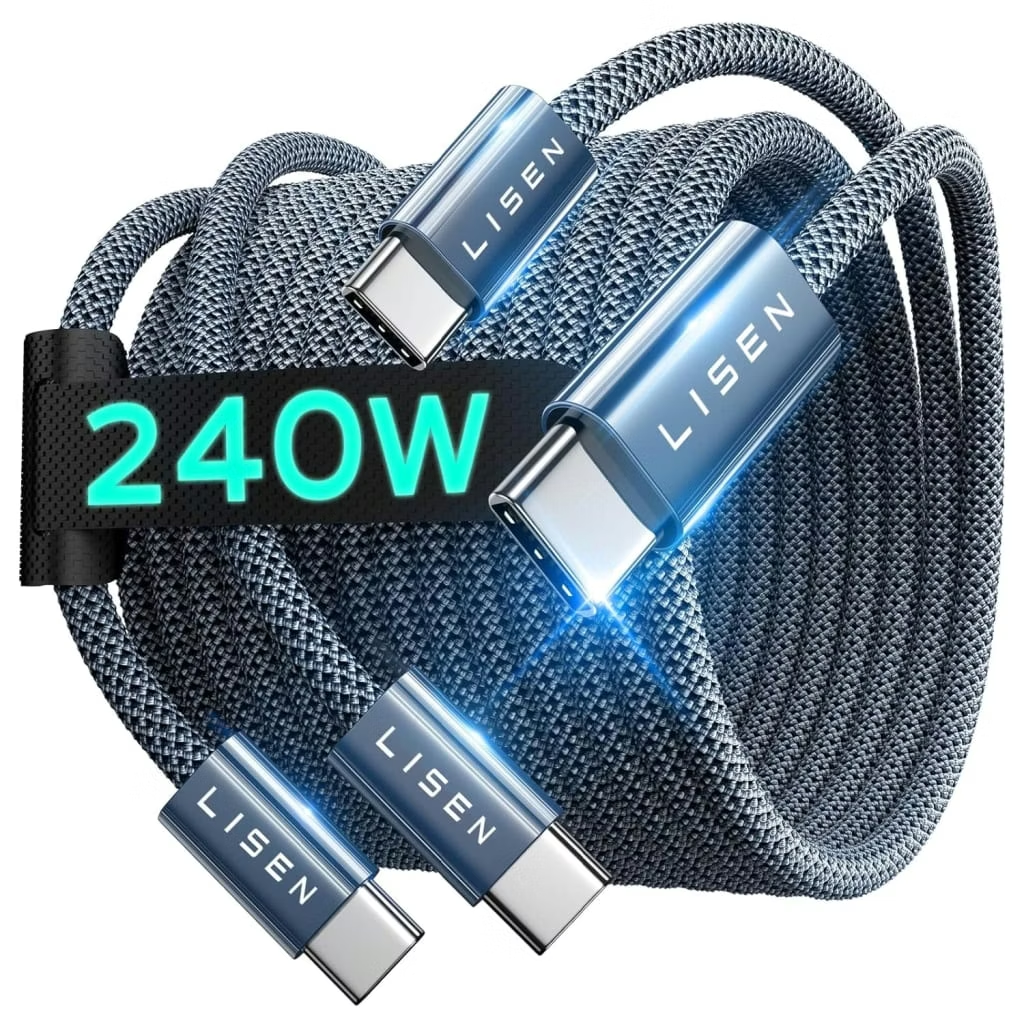
This LISEN USB-C cable is $8.97, down from $9.99. It supports up to 240W of fast charging and is built with a reinforced nylon exterior rated for more than 40,000 flex cycles. Prime members get free shipping. Buy Now at Amazon
Features
- 240W
- USB-C-to-USB-C

Computers: The Basics
Shopping for computers doesn’t have to drain your savings — if you know how to find the best prices. Our team of experts review the sales and publish the best computer deals so you don’t have to work half as hard.
How to Save on Streaming Services
Computers: The Basics
Shopping for computers doesn’t have to drain your savings — if you know how to find the best prices. Our team of experts review the sales and publish the best computer deals so you don’t have to work half as hard.
Basic Computer Terminology
You don’t have to be a tech wiz to buy your next computer. Make note of these common terms to help you when you’re shopping computer sales!
- Operating System (OS): This is the system that controls how your computer performs basic functions. The most common operating systems you’ll see right now are Windows 10 and Mac OS X. They perform comparably, so picking one relies on personal preference.
- Random-access memory (RAM): The short-term memory of your computer. Your RAM controls how quickly and efficiently your computer is able to switch between tasks. The higher the RAM, generally, the better the performance.
- Processor (CPU): The powerhouse or “brain” of the computer, your processor handles your computer’s basic instructions, such as using your mouse and keyboard, or running applications. The two most popular CPU manufacturers are AMD and Intel. You can read about which processor is right for you in this article from Digital Trends.
- Storage: There are two types of physical computer storage, hard drives (HD) and solid state drives (SSD). SSD storage is more common these days because they are more stable and faster. While it’s ideal to aim for greater storage space, a bigger drive will cost more money. Determine your storage needs based on how you plan to use your computer. Abt recommends starting with at least 500 GB of storage space.
Additionally, some providers, like Verizon, offer streaming perks with select plans, giving you months of access to services like Disney+, Hulu, and ESPN+ at no extra cost. Annual payment options can also help you save, as they often come with a discount equivalent to getting one or two months free. For those on a budget, ad-supported plans provide the same great content at a fraction of the cost. Visit our Disney+ Subscription Cost page to explore pricing and options.
What Deals Are Available on Disney+ Bundles?
Disney+ bundle deals provide significant savings when combining services. For example, the Verizon Disney Bundle offered six months of Disney+, Hulu, and ESPN+ for free with select Unlimited plans. Bundles like the Disney+ Premium annual plan ($159.99) save you the cost of two months compared to monthly payments. Bundle options like the ad-supported Duo Basic plan (Disney+ and Hulu) start at $10.99 per month, while ad-free Duo Premium is $19.99. Learn more on the Disney+ Bundle Deals page.
You can also explore seasonal and promotional deals during events like Black Friday to maximize your savings. Check out the Best Disney+ Deals page for current offers.
How Much Is a Disney+ Subscription?
Disney+ subscriptions currently start at $8 per month for the ad-supported Basic plan, while the Premium ad-free plan is priced at $13.99 per month or $139.99 annually. Prices will increase beginning October 17, 2024, with the Premium plan rising to $15.99 per month or $159.99 annually. Explore all pricing options on the Disney+ Subscription Costs page.
Best Disney+ Deals
Disney+ offers value-packed streaming bundles, such as the Disney+, Hulu, and Max bundle starting at $17 per month with ads or $30 per month ad-free. Disney+ also supports paid sharing, allowing you to add one extra member for $6.99 per month with Basic or $9.99 per month with Premium. Prices are increasing on October 17, 2024, so finding deals like these is more important than ever. For more information, visit our Best Disney+ Deals page.
Annual Disney+ Subscription Costs
Disney+ Premium annual plans cost $139.99 but will rise to $159.99 on October 17, 2024. Opting for the annual plan saves you the equivalent of two months compared to monthly billing. Note that annual payments are only available for standalone Disney+ Premium plans and not for bundles. Customize your subscription to include ad-supported or ad-free options with Hulu, ESPN+, or Max. See all pricing details on the Disney+ Subscription Cost page.
Basic Computer Terminology
You don’t have to be a tech wiz to buy your next computer. Make note of these common terms to help you when you’re shopping computer sales!
- Operating System (OS): This is the system that controls how your computer performs basic functions. The most common operating systems you’ll see right now are Windows 10 and Mac OS X. They perform comparably, so picking one relies on personal preference.
- Random-access memory (RAM): The short-term memory of your computer. Your RAM controls how quickly and efficiently your computer is able to switch between tasks. The higher the RAM, generally, the better the performance.
- Processor (CPU) : The powerhouse or “brain” of the computer, your processor handles your computer’s basic instructions, such as using your mouse and keyboard, or running applications. The two most popular CPU manufacturers are AMD and Intel. You can read about which processor is right for you in this article from Digital Trends.
- Storage: There are two types of physical computer storage, hard drives (HD) and solid state drives (SSD). SSD storage is more common these days because they are more stable and faster. While it’s ideal to aim for greater storage space, a bigger drive will cost more money. Determine your storage needs based on how you plan to use your computer. Abt recommends starting with at least 500 GB of storage space.
Basic Software for Your PC
When you start using your new computer, you’ll want to install some basic software to get going. Most pre-built computers come with a suite of software pre-installed with the OS.
Productivity Tools
Whether you opt for a package like Microsoft Office or iWork, opt for freeware like Open Office, or choose an online software pack like G Suite, it’s always a good idea to install a productivity software to help you with tasks like making spreadsheets, word processing, and viewing PDFs.
Internet Browser
Microsoft Edge and Safari are the standard browsers that come with a new computer, but many shoppers rely on browsers like Google Chrome or Mozilla Firefox.
Cloud Storage
Not only does cloud storage give you more space than the limited physical storage on your PC, but it also gives you access to your files anywhere. Many companies like Google or Dropbox offer a limited amount of free cloud storage.
Antivirus Software
Antivirus tools do more than simply keep viruses at bay; they also protect against malware, phishing, adware, spyware, and more. Windows 10 comes with Microsoft Security Essentials as a default, and security options are built into Mac OS X (as opposed to a standalone program). That said, antivirus suites like Norton, McAfee, and Bitdefender may offer you more protection.
Media Player
Many laptops and desktops no longer include a physical media drive. If you plan on watching any videos locally (not streamed online), it’s useful to have a media player. Typically, this software is built in, but check out this list for some info on the best media players for Windows 10 and this one for Mac.
Music Player
Not to be confused with a media player, a good music application is worth installing on your computer. Spotify, iTunes, and Pandora are some common favorites that give you access to a practically limitless selection. The desktop versions make it easier to browse and build playlists.
Computer Deal Subcategories
DealNews offers the best deals on computers and computing accessories. You can browse our deals in different categories including, but not limited to:
Whether you’re looking for a new work laptop, or want to find a quality gaming system, check out our selection of the best laptop deals here.
Did you know you should replace your computer every 4 to 5 years to keep up with the latest performance and security updates? Check out the best computer deals for your next desktop here.
Did you know that DealNews first launched as a deal website for Apple Macintosh products? While we’ve grown significantly since then, we still know how to find the best Apple computer deals!
Maybe you’re in the market for a larger streaming device for your kids, or maybe you’d like a device to serve as your e-reader (with a few extra perks). Whatever you’re searching for, check out the best tablet and iPad deals here.
- Peripherals
Routers , monitors , input devices , and more! These devices make using your computer more comfortable and practical. Be sure you search our site to save big!
When shopping computer sales, check out DealNews before going anywhere else, so you know you’ll always find the best deals!
Frequently Asked Questions
Should I purchase a laptop or desktop?
It’s important to review your needs before buying a laptop or desktop computer.
- What’s your budget? Because they’re bigger and more modular, desktop computers tend to outperform laptops. A desktop’s customizability means your budget can go a lot further. However, laptops have other advantages over desktops.
- Do you need portability? High-end laptops are generally more expensive, but a laptop will always win the portability debate.
- How much power do you need? Desktops have more room to work with, so you can add more RAM, more storage, a bigger graphics card, and other performance improvements. But if you don’t need all that, then a mid-tier laptop may be the cheaper choice.
- Are you a gamer? Laptops that are built for gaming are among the most expensive on the market. That said, if you’re not comfortable selecting individual pieces to build a gaming desktop, you may be willing to pay a premium to get that performance.
- Don’t forget the repairs. If you’re handy, you can often repair or replace parts in a desktop computer with the help of online guides. Most laptops require specialized tools and skills to repair, so desktop fixes tend to be cheaper.
Overall, desktop computers have a lot of advantages, but the lack of portability can be a deal breaker. No matter what you decide, be sure to check out specs and buying guides from the DealNews Blog and other reputable sources like CNET or PCMag. Then shop DealNews for the best computer deals!
How do I get my external hard drive to show up?
Once you’ve ensured that your external drive is plugged in and powered on, check out these steps from PCMag:
- Try a different USB port.
- Try a different PC.
- Update your drivers.
- Format the drive.
What is a VPN?
VPN stands for “virtual private network.” A VPN protects your internet usage by routing your internet connection through a private server. Using a VPN keeps your online browsing more private and also grants you access to websites and content that may not be available in your country.
For more information about VPNs, visit our NordVPN Free Trial Guide and our NordVPN Subscription Cost Page.
How can I boost my WiFi signal?
When your internet connection seems impossibly slow, the cause isn’t your provider, but your WiFi signal strength. Check out these options to boost your WiFi signal:
- Update your router firmware. Each router is different, but you can typically use the steps found here to run updates.
- Place your router in the most optimal space. You want to place your wireless router away from walls or obstructions. If possible, put it in the most central place in your home.
- Pick a different frequency. If you have a dual-band router, try using the 5GHz band. This band offers higher speeds and may get an additional boost if fewer devices are connected to it.
- Change the channel. While most routers will automatically choose the channel with the least congestion, some cheaper routers may require you to manually update it.
- Upgrade your router. How old is your current router? If it's a previous-generation 802.11b model, upgrading could improve your wireless signal. If you already have a newer 802.11n or Wi-Fi 6 router, you're in good shape.
- Replace the antenna. You may boost your signal by adding or replacing an external antenna. PCMag recommends purchasing one marked “high-gain” and opting for a directional antenna rather than an omnidirectional one.
- Add a wireless range extender. If you only want to boost coverage in one or two rooms, a WiFi extender can help you eliminate dead spots. Check out this guide from the DealNews Blog.
Switch to a mesh WiFi system. Wireless mesh networking is becoming more popular because it can provide more complete coverage throughout the home. Mesh systems replace your router and work seamlessly to eliminate coverage gaps.
By: Kristen Harris, Manager
A Georgia girl with three years of experience in IP Law and grounded in understanding marketing and consumer motives. When she's not working with the fabulous staff of DealNews, you can find her whining at rowing practice and browsing the Hot Deals on the site.
Want to know the moment we post a great deal on Computers?
Create an Alert