AT&T Mobility · Verified 1 wk ago
From $25/mo. w/ trade-in $2,100
free shipping
more
↑ less
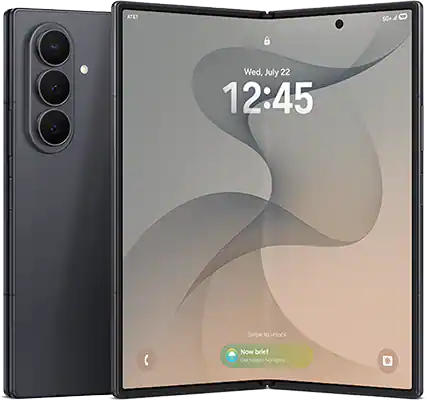
AT&T Mobile takes up to $1,200 off the Samsung Galaxy Z Fold8 Ultra with an eligible trade-in and qualifying wireless plan for new and existing customers. That drops the monthly price as low as $25. Shipping is free. You'll also get free Samsung Galaxy Buds3 FE when you purchase the phone and earbuds together online. Maximum savings require an AT&T Premium 2.0 plan or higher and an eligible trade-in valued at $95 or more, with discounts applied as monthly bill credits over 36 months. A 0% APR 36-month installment agreement is required, and taxes and fees may apply. Deal ends December 3. Buy Now at AT&T Mobility
Features
- 8" main foldable display & 6.5" cover screen
- 200MP main camera w/ 50MP ultrawide & 10MP 3x telephoto
- 5,000mAh battery w/ up to 45W wired & 20W wireless charging
- Qualcomm Snapdragon 8 Elite Gen 5 processor w/ Android 17
- Weighs 7.58 oz. and supports Wi-Fi 7 & 5G
AT&T Mobility · Verified 6 days ago
$0/mo. w/ trade-in $1,900
free shipping
more
↑ less
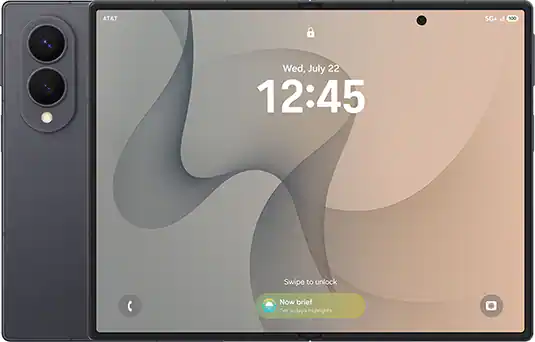
As a Black Friday deal, AT&T Mobility offers the Samsung Galaxy Z Fold8 256GB for $0 per month (essentially free) with an eligible trade-in and qualifying plan, via up to $1,900 in bill credits over 36 months. Add a Samsung Galaxy Tab A11+ 5G and Galaxy Watch9 for free via 36 monthly bill credits with eligible plans and new lines for the tablet and watch. Shipping is free. This deal ends December 3. Shop Now at AT&T Mobility
Features
- 7.6" main foldable display & 5.5" cover screen
- Weighs 7.09 oz.
- Dual rear cameras: 50MP wide & 50MP ultrawide
- 4,800mAh battery w/ up to 45W wired charging
- Available in 256GB, 512GB, and 1TB storage
- Wi-Fi 7 & 5G support
AT&T Mobility · Verified 3 days ago
$0/mo. w/ trade-in
free shipping
more
↑ less
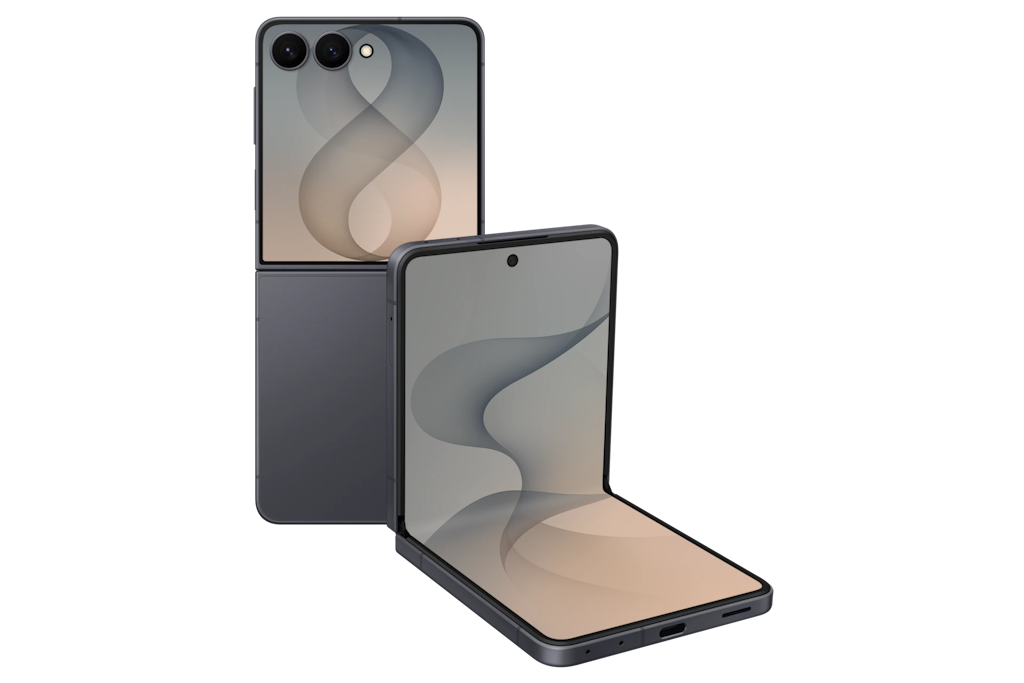
At AT&T, the Samsung Galaxy Z Flip8 drops to $0 after 36 monthly bill credits with an eligible trade-in and plan, down from $1,200. The trade-in can be a Galaxy S22+, Z Flip4, Z Fold3 or newer in any condition, and a free pair of Galaxy Buds3 FE is added during checkout. The Flip8 is thinner and lighter than the Flip7, but it keeps the same camera sensors and battery capacity. It ships for free. This deal ends December 3. Shop Now at AT&T Mobility
Features
- 6.9" main display and 4.1" cover display
- Weighs 6.35 oz.
- 50MP wide and 12MP ultrawide rear cameras with a 10MP front camera
- 4,300mAh battery with 25W wired charging
- 12GB RAM with 256GB or 512GB storage
- Runs Android 17
AT&T Mobility · Verified 1 wk ago
$0/mo. w/ Trade-In $1,200
free shipping
more
↑ less
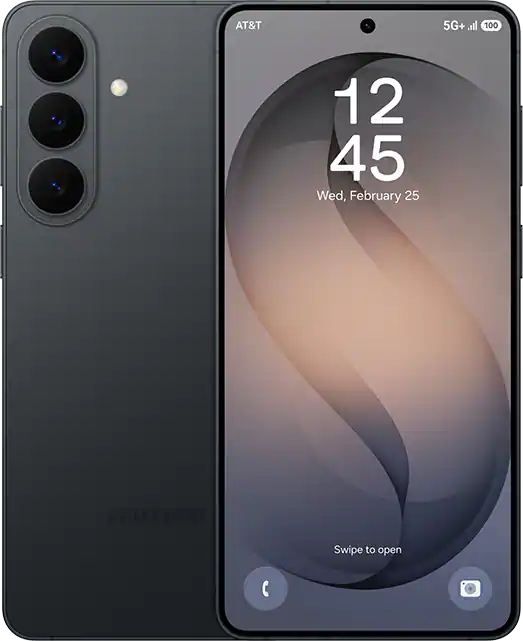
AT&T Mobility offers the Samsung Galaxy S26+ 256GB essentially for free thanks to up to $1,200 in bill credits over 36 months when you trade in an eligible device and select an eligible plan. Shipping is free. You can also add a Galaxy Watch9 and/or Galaxy Tab A11+ 5G for $0 after 36 monthly bill credits with eligible installment and data plans and new lines for the watch and tablet. A 0% APR 36-month installment agreement is required, and taxes on the full retail price are due at sale for the phone. Other terms and restrictions apply. Shop Now at AT&T Mobility
Features
- 6.7" Quad HD+ display (3120 x 1440)
- 12GB RAM with 256GB or 512GB storage
- 50MP wide, 12MP ultrawide, and 10MP telephoto rear cameras
- 4,900mAh battery with up to 20W wireless charging
- Snapdragon 8 Elite Gen 5 for Galaxy processor
- Wi-Fi 7 and 5G support
AT&T Mobility · Verified 6 days ago
$0/mo w/ qualifying plan $263
free shipping
more
↑ less
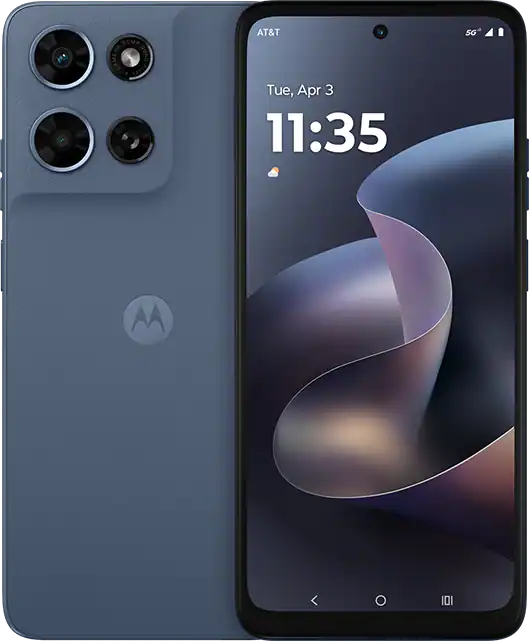
As a Black Friday deal, AT&T Mobility is offering the Motorola moto g 2026 for $0 per month — essentially free. (That's a $263 savings, delivered as bill credits over 36 months). It requires a new line and an eligible unlimited plan, and a 36-month installment agreement applies. Shipping is free. Shop Now at AT&T Mobility
Features
- 6.7" display with 120Hz refresh rate
- 50MP rear camera & 32MP front camera
- 5,200mAh battery w/ 30W fast charging
- 128GB storage, expandable up to 1TB w/ microSD
- 5G capable w/ 4GB RAM
- IP52 water-repellent design
AT&T Mobility · Verified 1 wk ago
$0/mo. w/ trade-in $1,150
free shipping
more
↑ less
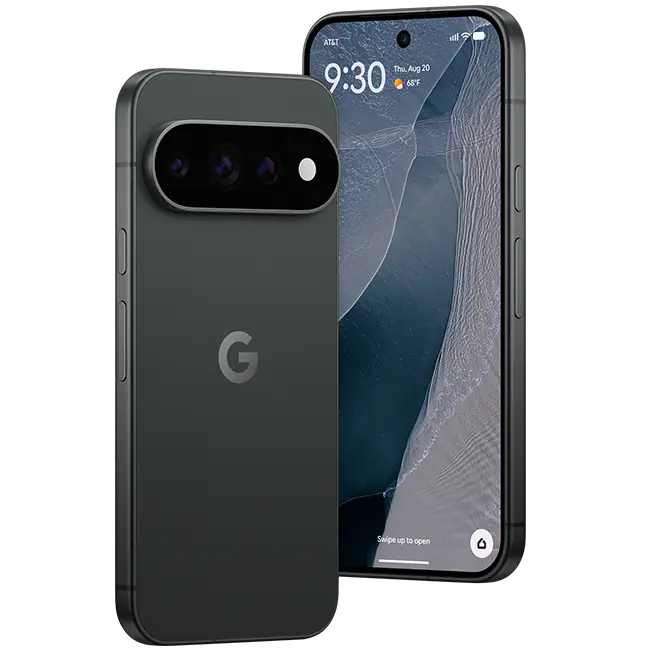
AT&T Mobility offers the Google Pixel 11 Pro 256GB for (essentially) free after up to $1,150 in bill credits over 36 months when you trade in an eligible Google Pixel smartphone from any year, in any condition, and select a qualifying wireless plan. Shipping is free. The full discount requires an AT&T Extra 2.0 plan or higher or a qualifying retired or legacy unlimited plan, while other eligible plans may offer smaller savings. A 0% APR 36-month installment agreement is required, with taxes on the full retail price and a $35 activation or upgrade fee due at sale. Shop Now at AT&T Mobility
Features
- 6.3" pOLED display with 2856 x 1280 resolution
- Triple rear camera: 50MP wide, 48MP ultrawide, 48MP 5x telephoto
- Zoom up to 120x
- Google Tensor G6 chip with 12GB RAM and 256GB storage
- 4,800mAh battery with wireless & fast charging
- Supports 5G, Wi-Fi 7, and eSIM
AT&T Mobility · Verified Aug 6, 2026
$0/mo. w/ Unlimited plan $240
free shipping
more
↑ less
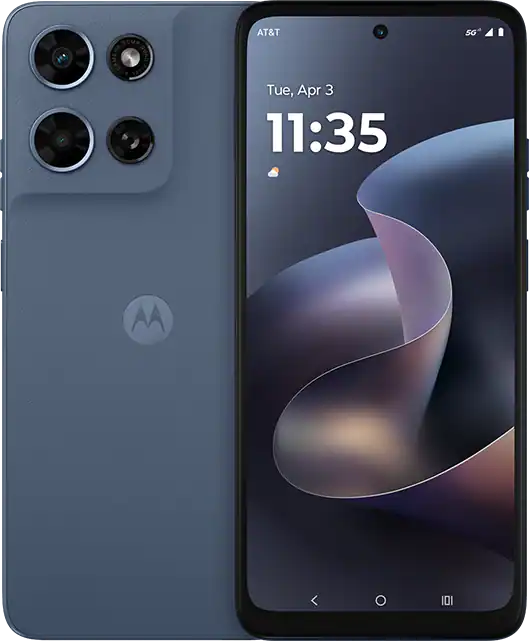
This Motorola moto g drops to $0 per month at AT&T when you open a new line with an eligible unlimited plan, down from a retail price of $239.99. The phone includes a 6.7" display with a 120Hz refresh rate, a 50MP camera system, and a 5200mAh battery with TurboPower fast charging. It also supports 5G speeds and includes stereo speakers with Dolby Atmos sound. It ships for free. Deal ends January 1, 2027. Shop Now at AT&T Mobility
Features
- 6.7" HD+ display w/ 120Hz refresh rate
- 50MP AI-powered camera w/ 32MP selfie camera
- 5G connectivity via MediaTek Dimensity 6300 chipset
- 5200mAh battery w/ TurboPower fast charging
- Vegan leather design w/ IP52 water-repellent rating
- Stereo speakers w/ Dolby Atmos sound
AT&T Mobility · Verified 3 days ago
Up to $1,200 off w/ trade-in
free shipping
more
↑ less
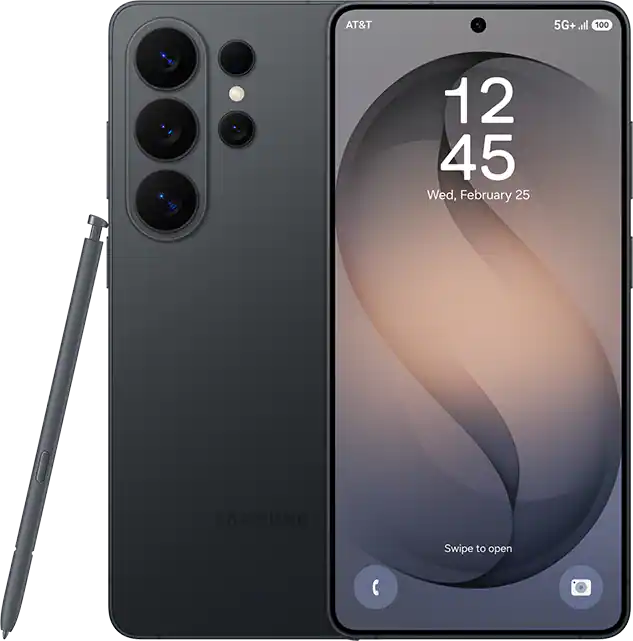
As a Black Friday deal at AT&T Mobility, the Samsung Galaxy S26 Ultra is up to $1,200 off with an eligible trade-in of any condition, applied as bill credits over 36 months. Plus, you'll get a free pair of Samsung Galaxy Buds3 FE. Post trade-in prices start from $5.56 per month over 36 months. It ships for free. This deal ends December 3. Shop Now at AT&T Mobility
Features
- 6.9" Quad HD+ display
- 200MP main camera, 50MP telephoto camera, & 50MP ultra wide camera
- 5,000mAh battery w/ fast charging & up to 25W wireless charging
- Available in 256GB, 512GB, & 1TB storage options
- Runs Android 16 w/ 12GB or 16GB of RAM
- Wi-Fi 7 & 5G support
AT&T Mobility · Verified 6 days ago
$0/mo. w/ trade-in $1,000
free shipping
more
↑ less
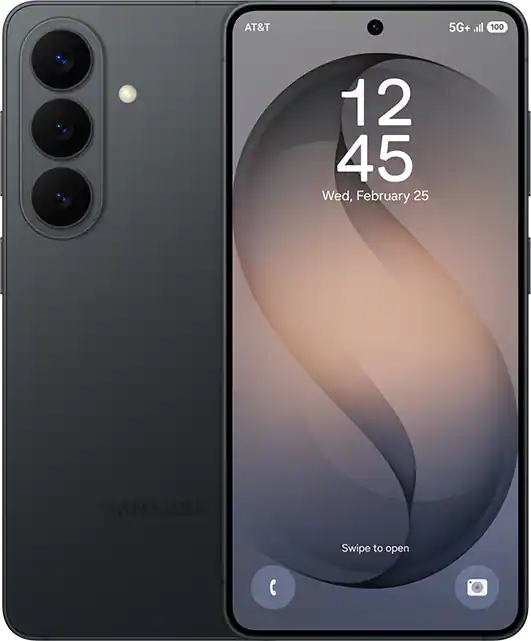
As a Black Friday deal, AT&T Mobility is offering the Samsung Galaxy S26 256GB and a pair of Samsung Galaxy Buds23 for $0 per month (or, essentially, free) with an eligible trade-in (Galaxy S22+, Z Flip4, Z Fold3 or higher, any condition) and an eligible plan, versus a $999 full retail price. The trade-in value comes as bill credits over 36 months, so the phone price is covered only while you stay on an eligible plan. A $35 activation fee applies. This deal ends December 3. Shop Now at AT&T Mobility
Features
- 6.3" FHD+ display (2340 x 1080)
- 256GB or 512GB storage w/ 12GB RAM
- 50MP main camera w/ 10MP 3x optical zoom & 12MP ultra-wide
- 4,300mAh battery w/ up to 15W wireless charging
- Qualcomm Snapdragon 8 Elite Gen 5 processor
- Wi-Fi 7 & 5G support, dual SIM w/ eSIM

AT&T Mobility · Verified 6 days ago
$0/mo w/ qualifying plan $940
free shipping
more
↑ less
As a Black Friday deal at AT&T, the Google Pixel 11 256GB is $0 per month with a qualifying plan — a price better known as free. You'll get a free pair of Pixel Buds 2a too. (The discounts are applied as bill credits over 36 months.) A new line on an eligible AT&T installment plan is required, and no trade-in is needed. Shipping is free. This deal ends December 3. Shop Now at AT&T Mobility
Features
- 6.3" OLED display with a 2424 x 1080 resolution
- 256GB storage & 12GB RAM
- Triple rear camera: 48MP wide, 13MP ultrawide, 10.8MP 5x telephoto
- Up to 30x Super Res Zoom
- 4,985mAh battery with wireless & fast charging
- Wi-Fi 7 & 5G support, dual SIM with eSIM
AT&T Mobility · Verified Mar 12, 2026
From $0 w/ Trade-In + Unlimited Plan $1,100
free shipping
more
↑ less
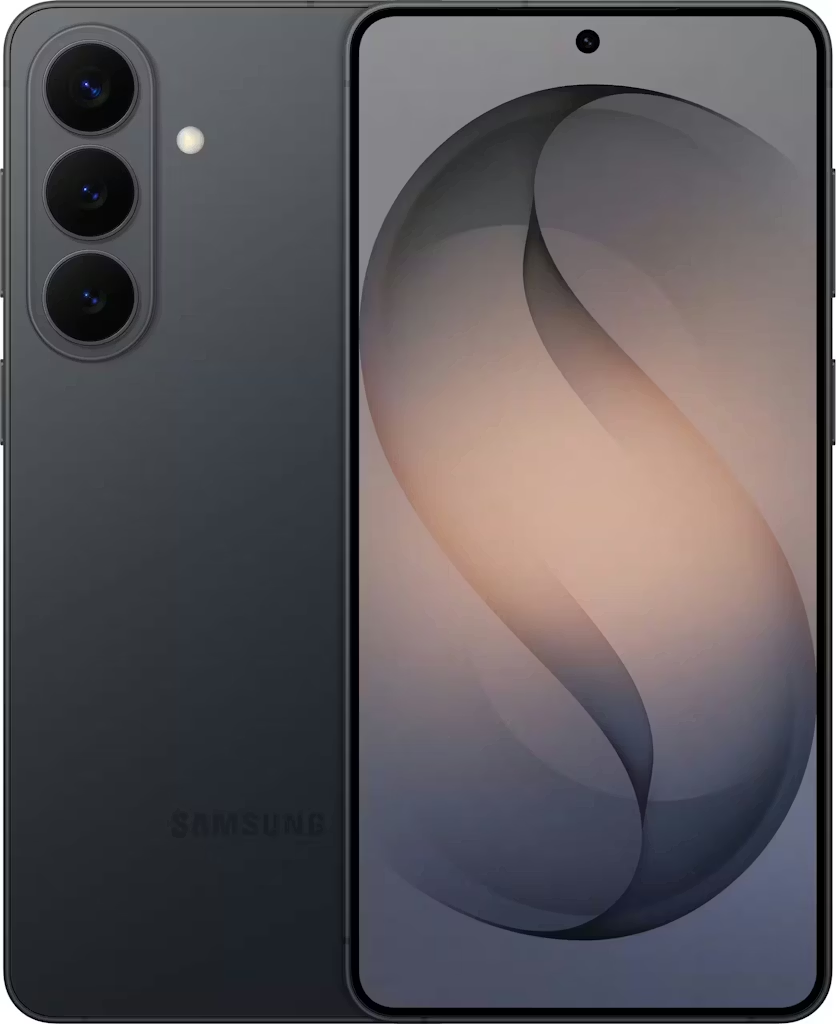
Buy the new Galaxy S26+ on an eligible Unlimited Plan and trade in a qualifying device to score $1,100 in monthly credits - effectively getting this brand new phone for free. Some terms and conditions apply. Shop Now at AT&T Mobility
Features
- 6.7" 3120x1440 AMOLED Display
- 12GB RAM; 256GB Storage
- 50MP rear camera
- Android 16
- Model: SM-S947UZKAXAA

AT&T Mobility · Verified Mar 12, 2026
From $0 w/ Trade-In + Unlimited Plan $900
free shipping
more
↑ less
Trade in a qualifying phone in any condition and sign up with an Unlimited plan to get Samsung's brand new Galaxy S26 for $0 after montly bill credits. ($900 will be applied to your bill over 36 months.) Some terms and conditions apply. Shop Now at AT&T Mobility
Features
- 6.3" 2340x1080 AMOLED display
- 12GB RAM; 256GB Storage
- 50MP rear camera
- Android 16
- Model: SM-S942UZKEXAA
AT&T Mobility · Verified 6 days ago
$0/mo w/ trade-in $1,350
free shipping
more
↑ less
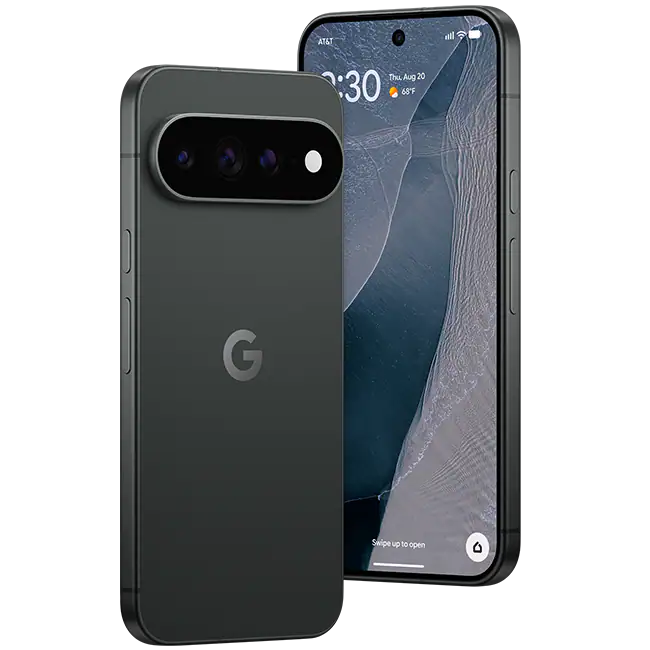
As a Black Friday deal, AT&T Mobility offers the Google Pixel 11 Pro XL 256GB, bundled with the Google Pixel Buds 2a, for $0 per month with a qualifying trade-in. (You'll get the discount in bill credits over 36 months, down from a $1,350 retail price.) The deal requires a trade-in of an eligible device worth $95 or more and an eligible wireless plan, and credits may be less depending on the trade-in and plan. Shipping is free. This deal ends December 3. Shop Now at AT&T Mobility
Features
- 6.8" LTPO OLED display with 2992 x 1344 resolution
- Triple rear camera system with 50MP wide, 48MP ultrawide, and 48MP 5x telephoto lenses
- Zoom up to 120x
- 5,115mAh battery with fast and wireless charging
- Google Tensor G6 chip with 12GB RAM and 256GB storage
- Wi-Fi 7, 5G support, and dual SIM with eSIM
AT&T Mobility · Verified 6 days ago
$0/mo. w/ qualifying plan $700
free shipping
more
↑ less
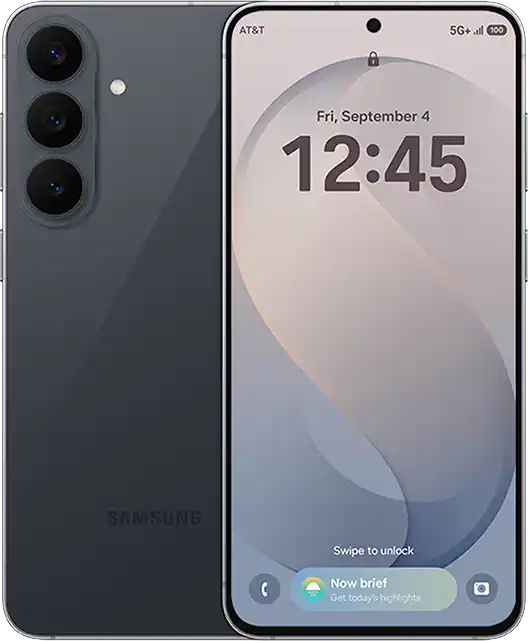
As a Black Friday deal, AT&T Mobility is offering the Samsung Galaxy S26 FE at $0 per month (or, how you say, free) when you order a new line on an installment plan with an eligible plan and no trade-in required. That's a $700 savings, with the discount applied as bill credits over 36 months. The phone has a 6.7" display, a triple rear camera, and fast charging that reaches 50% in up to 25 minutes with a 45W adapter. Charger not included. A $35 activation fee applies. Shop Now at AT&T Mobility
Features
- 6.7" FHD+ display
- Triple rear camera: 50MP wide, 12MP ultrawide, 8MP telephoto
- 4,900mAh battery w/ 45W fast charging
- 128GB storage & 8GB RAM
- Wi-Fi 6E, 5G support, & wireless charging
- Android 17
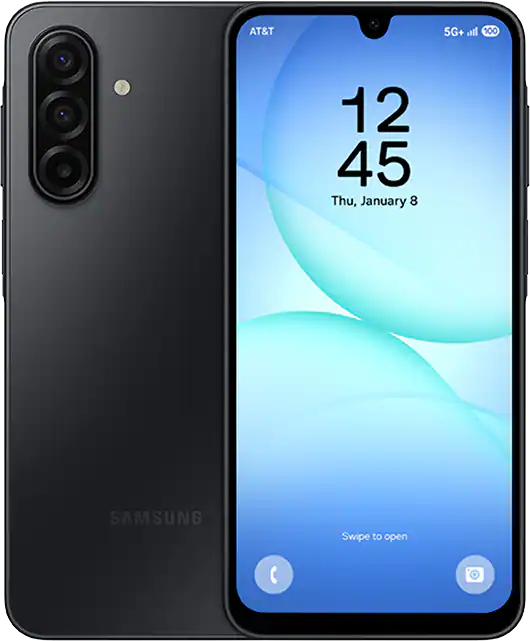
AT&T Mobility · Verified May 13, 2026
Free w/ Plan $200
free shipping
more
↑ less
Get the Samsung Galaxy A17 5G for free at AT&T Mobility when you purchase on installment with a new line and qualifying unlimited plan. That's a savings of $200. No trade-in is required. Savings applied via monthly bill credits over the installment term. Other terms apply. No coupon or promo code is needed for this discount. This offer is valid through December 31, 2026. Shop Now at AT&T Mobility
Navigating the AT&T Android ecosystem requires a total shift in mindset compared to shopping for a Mac or an unlocked laptop. While retailers like Amazon or Best Buy occasionally offer "instant" price cuts, the most substantial savings on flagship Android hardware—specifically from Samsung and Google—are found through AT&T's unique carrier-subsidized model.
The secret to winning at AT&T is understanding their "Best Deals for Everyone" philosophy. Unlike competitors who often gate their best prices behind "new customer only" requirements, AT&T allows loyal subscribers to access massive trade-in credits (up to $1,000) that effectively make flagship phones "free."
By combining these loyalty perks with strategic timing around manufacturer release cycles and leveraging third-party "kiosk" bonuses, you can significantly lower your total cost of ownership. This guide breaks down the mechanics of the 36-month credit system, the "any condition" trade-in loopholes, and the fine print that protects your investment.
The Core of AT&T Android Savings: The "Best Deals for Everyone" Philosophy
AT&T's market strategy is built on retention. While other carriers often reserve their "Free Phone" offers for people switching from a competitor, AT&T made a massive pivot several years ago to offer the same pricing to every customer.
The Equality Advantage
This policy means you don't have to play "carrier hop" every two years. If AT&T is offering a $1,000 trade-in credit for a new Samsung Galaxy S24 Ultra to a brand-new customer, you—as a 10-year loyal customer—can walk in and get that exact same $1,000 credit.
The AT&T Signature Program (The "Secret Weapon")
This is arguably the most overlooked discount in the wireless industry. Through partnerships with thousands of organizations, AT&T offers "Signature" discounts.
The AARP Loophole
You do not need to be a senior to join AARP. Anyone of any age can join for roughly 16 dollars a year. Being an AARP member qualifies you for the AT&T Signature Program, which gives you the Unlimited Premium PL plan for the price of the Unlimited Extra EL plan (a $10/month saving per line).
Waived Fees
Signature members also frequently get their $35 activation and upgrade fees waived. Over a family of four, this is a $140 "instant" discount.
Next Up Anytime (Annual Upgrades)
For $10 per month, AT&T adds a "Next Up Anytime" feature to your installment plan. Normally, you must pay off a phone for 36 months. With Next Up, once you have paid off 33% of the device cost (usually 12 months), you can trade that phone back to AT&T in "good condition" and they will wipe the remaining 66% of your debt.
This is the most cost-effective way to get the newest Samsung or Pixel every single year without being trapped in a 3-year cycle.
Professional Tier Discounts
Teachers, Nurses, Physicians, Military members, and First Responders (via FirstNet) receive a flat 25% discount off the monthly service price. This is the most aggressive professional discount in the industry and is applied to the entire plan, not just a single line.
Seasonal Rhythm: Timing Your Android Purchase for Maximum Credits
The Android market is cyclical. Unlike Apple, which has one major launch in September, Android has two "peaks" (Samsung in Winter, Google in Fall).
- The "Any Year, Any Condition" Samsung Window (Jan–Feb): This is the single best time to buy a phone at AT&T. During the Galaxy S-series launch, AT&T traditionally runs a promotion where any Galaxy S, Note, or Z-series phone—regardless of its age or physical condition—is worth the maximum trade-in value.
- Insider Strategy: If you have a brand-new phone you don't want to trade, go to eBay and buy a broken "Galaxy Note 8" for $25. AT&T will accept that "junk" phone and give you $1,000 in credits toward an S24 Ultra.
- The Google Pixel "Switcher" Window (October): AT&T uses the Pixel launch to target people who don't want to pay high monthly device fees. They frequently offer the base-model Pixel for 5 dollars per month with no trade-in required. This is ideal for customers who don't have an old device to trade in but still want a flagship experience.
- The Summer "Foldable" Hype (August): When the Galaxy Z Flip and Z Fold are released, AT&T leans heavily into pre-order bonuses.
- Free Storage Upgrades: During the first two weeks, you can usually buy the 512GB version for the price of the 256GB version.
- Bundle Credits: AT&T often stacks a "Buy a Fold, get a Watch for $0" deal during this specific window.
- The "March Color Refresh": Occasionally, Samsung or Google will release a new color mid-cycle (like a "Lime" or "Purple" edition). AT&T often uses these refreshes to dump older inventory, leading to significant "no-trade-in" price cuts on the original launch colors.
Comparing ATT Deals
The Carrier Clash: AT&T vs. Verizon Android Credits
When comparing the two largest carriers, the choice between AT&T and Verizon often comes down to your status as a current or prospective customer. AT&T's primary advantage for Android users is their commitment to price equality, which allows an existing user to upgrade to the latest Android Pro for the same monthly credit as a new line activation.
This is a significant contrast to Verizon, which frequently reserves its highest "switcher" credits—sometimes reaching $1,000—exclusively for those porting a number from a competitor. However, Verizon often leads in "ecosystem bundling," where they will offer an Android alongside a "free" Apple Watch and iPad.
While these bundles appear lucrative, they require additional monthly data plans for each accessory, which can lead to a higher total monthly bill compared to AT&T's more straightforward device-for-trade-in model. Both carriers utilize 36-month installment plans, meaning that "free" in both ecosystems effectively translates to a three-year commitment to their highest-tier unlimited plans.
The Switcher Logic: Samsung's Role in the Android Market
While Samsung is the primary rival to Apple, their web portal is a surprisingly effective destination for Android owners looking to exit the Apple ecosystem. Samsung often offers "Enhanced Trade-In" values for Android that exceed what Apple or the carriers will offer in instant credit.
For a user who owns an Android but is looking to switch to a Galaxy S-series or Z-Fold, Samsung.com provides an "Instant Rebate" rather than a 36-month bill credit. This allows for immediate ownership of the new device and the freedom to use any carrier, including low-cost prepaid options.
For those staying with Apple, this comparison highlights the trade-off between the carrier's high-value but long-term credits and the manufacturer's immediate, "no-strings-attached" trade-in value when moving between brands.
The Third-Party Alternative: Newegg and AliExpress
For shoppers who want to avoid 36-month contracts entirely, Newegg and AliExpress offer two very different paths to savings. Newegg has become a destination for "Renewed" and "Open Box" Androids, often listing models from one or two generations ago at prices that undercut the carriers' total cost of ownership.
Buying a refurbished Android 14 or 15 from Newegg for a discount allows you to bypass the requirement for a $75-per-month unlimited plan, enabling the use of AT&T's cheaper "Value Plus" or "Starter" tiers. On the other hand, AliExpress is a recommended destination for the Android hardware itself due to frequent discounts and remains the world leader for the "Android lifestyle."
For the price of one official MagSafe case at an AT&T store, a shopper on AliExpress can often purchase five or six high-quality silicone cases, braided charging cables, and MagSafe-compatible wallets. This "accessory stacking" strategy allows you to use your carrier credits for the phone while sourcing your peripheral gear for pennies on the dollar.
ATT Android Discount Comparison Table
|
Platform |
Primary Discount Method |
Ideal Shopper |
Lock-in Period |
Accessory Strategy |
|
AT&T |
36-Month Bill Credits |
Loyalists wanting the same deals as new customers. |
36 Months |
Buy in bundles of 3 for 20% off. |
|
Verizon |
Switcher Incentives and Bundles |
Families moving multiple lines from a competitor. |
36 Months |
Targeted "Watch + iPad" freebies. |
|
Samsung |
Instant Trade-In Rebates |
Users switching from Android to a Galaxy flagship. |
None (Unlocked) |
Often includes free Buds or Watch. |
|
Newegg |
Refurbished / Open-Box Prices |
Budget-conscious buyers avoiding contracts. |
None (Unlocked) |
Best for older charging bricks. |
|
AliExpress |
Bulk Couponing and Global Sales |
Users who want the cheapest cases and cables. |
None |
Unbeatable for MagSafe accessories. |
The "Second Life" Market: Refurbished and BYOD Strategies
As Android hardware has improved, the "Buy New" necessity has faded. Samsung and Google now promise 7 years of software updates, meaning a 2-year-old phone is still "young."
AT&T's refurbished inventory consists largely of 14-day returns. These phones are functionally brand new but cannot be sold as "new" by law. You can often find "Pro" models for 15 dollars less per month than the new versions.
These still carry a limited warranty and, crucially, are eligible for AT&T Protect Advantage (insurance). If you buy an unlocked Android from Woot!, Amazon Renewed, or Back Market, you can bring it to AT&T as a "BYOD." AT&T frequently offers a bill credit (usually $10/month for 36 months) just for activating your own phone on a new line.
If you bought a refurbished Pixel 7 for $300 and AT&T gives you $360 in credits over three years, they are essentially paying you $60 to use your own phone. Retailer Kiosks (Costco and Sam's Club): Never overlook the AT&T kiosks in wholesale clubs.
Buying through the Costco AT&T kiosk often adds a $100 Costco Shop Card and waives the $35 activation fee. This is "free money" on top of whatever trade-in deal AT&T is already offering. Samsung also has great deals on refurbished phones.
Navigating the Fine Print: Credits, Taxes, and Lock-Ins
The biggest mistake shoppers make is assuming "Free" means $0.00 on the receipt. AT&T's discounts are almost never "instant." If they give you $1,000 for a trade-in, they divide it out by around 27.77/mo. Every month, they charge you for the phone, then give you a credit for $27.77.
If you want to pay the phone off after 12 months to sell it, you lose the remaining 24 months of credits ($666). You are effectively "locked in" for three years. In most states, you must pay the sales tax on the full MSRP of the phone at the time of purchase. If you buy a "Free" $1,200 Galaxy S24 Ultra, you will still have to pay roughly 100 dollars at the register.
To get the 1,000 credits, AT&T usually requires a "qualified unlimited plan." The "Unlimited Starter" plan often does not qualify for the highest trade-in credits. You usually need "Unlimited Extra" or "Unlimited Premium." Always calculate the cost difference—if the higher plan costs $10 more per month, that's $360 over the life of the phone.
The 30-Day Trade-In Clock: Once you receive your new phone, the 30-day countdown begins. If your trade-in isn't processed by day 30, the promotion "drops." Pro-Tip: Take photos of your trade-in device's screen and IMEI number before handing it over to prove it was in good condition.
Popular Products and Accessory Savings
- The Samsung "Ultra" Value: The Galaxy S24 Ultra is the target for creative professionals and high-demand users. Because it has such high name recognition, it maintains the highest trade-in value in the Android world.
- The Google Pixel "a" Series: If you want the lowest possible monthly bill, the Pixel 8a or 9a is your target. AT&T often prices these at $1/month or $5/month without any trade-in.
- The "Free" Watch/Tablet Trap: AT&T will often say, "Add a Galaxy Watch for free!"
- The Hidden Cost: While the hardware is $0, you must pay for a data line for that device. This is typically $10/month. If you don't need to make phone calls from your watch while away from your phone, buy the Bluetooth version at a retailer like Amazon for $200 instead.
- Power and Charging: Most new Androids use USB-C PD 3.0 with PPS. AT&T sells branded chargers for 50 dollars. You can find the same (or better) Anker 45W Nano chargers on Amazon for $20. Samsung's "Super Fast Charging 2.0" specifically requires that 45W PPS rating.
AT&T Logistics: Shipping, Returns, and Unlocking
- "AT&T Right To You": For flagship purchases, AT&T offers a white-glove delivery service. A representative brings the phone to your home or office, helps you transfer your data, and—most importantly—takes your trade-in phone with them. This prevents the common nightmare of trade-in phones getting "lost" in the mail.
- The 14-Day Return Window: AT&T has a very short "Buyer's Remorse" period (14 days). If you don't like the phone, return it quickly. The Restocking Fee: There is a $55 restocking fee for any returned device.
- The Trade-In Warning: If you have already mailed your trade-in phone to AT&T, you cannot get it back, even if you return the new phone.
- Unlocking Policy: AT&T is very strict about unlocking. The device must be fully paid off (36 months) before they will unlock the SIM for use with international carriers.
- Solution: If you travel, use the AT&T International Day Pass ($12/day). It caps at 10 days per billing cycle, so you'll never pay more than $120 for international data in a single month.
- In-Store vs. Online: Always check for "Online Only" promos. AT&T frequently offers up to 100 in "Reward Cards" (Visa Gift Cards) if you complete the entire transaction online rather than going into a store.
Choosing Your iPhone Savings Path
The ideal strategy for purchasing an iPhone on AT&T ultimately depends on your tolerance for long-term contracts and your current device's trade-in value. If you value simplicity and plan to remain with AT&T for the next several years, their "Best Deals for Everyone" philosophy offers the most reliable path to a flagship device.
By taking advantage of high-value trade-in windows and stacking them with Signature Program discounts, you can effectively bypass the $1,000+ retail price and pay only the monthly sales tax and service fees. This approach is perfect for those who want the latest technology with zero upfront hardware cost and the peace of mind that comes with carrier-backed support.
However, for the shopper who prioritizes financial flexibility over having the newest model on day one, the alternative markets offer a compelling case. Choosing a "Renewed" iPhone from Newegg or a manufacturer-direct switch via Samsung allows you to maintain total control over your monthly service costs.
By avoiding the 36-month bill credit trap, you gain the freedom to move to lower-tier plans or switch providers as your needs change. When this is paired with the aggressive accessory savings found on platforms like AliExpress, the total cost of ownership often drops below what even the best carrier subsidies can offer.
Ultimately, the best "deal" is found by looking past the sticker price and calculating the cost of your wireless plan over a three-year horizon. Whether you choose the subsidized convenience of AT&T and Verizon or the contract-free autonomy of Newegg and AliExpress, the most successful tech buyers are those who match their purchase platform to their long-term budget.
By understanding the seasonal rhythms of Apple releases and the specific requirements of carrier financing, you can ensure that you never pay full retail price for your mobile technology again.
Want to know the moment we post a great deal on Android Phones?
Create an Alert